All submissions will undergo a blind peer-review process conducted by at least two reviewers. In cases where the reviewers provide conflicting evaluations, the paper will be referred to a third reviewer.
All accepted extended abstracts will be published in an ISBN-numbered electronic Book of Proceedings. Accepted full papers will be published as an edited volume following the conference.
After the peer-review process, selected full papers will be considered for publication in one of the following academic journals, subject to the journal’s independent review process. Please note that the journals do not guarantee the publication of any manuscript. However, they commit to an accelerated review procedure. Authors who wish their papers to be considered for journal publication must submit a revised version of their manuscripts after the ICRP 2026 Conference.
Acceptance of a paper for presentation at the conference or for inclusion in an edited book does not imply its automatic acceptance for journal publication. Manuscripts must fit the aims and scope of the respective journals.
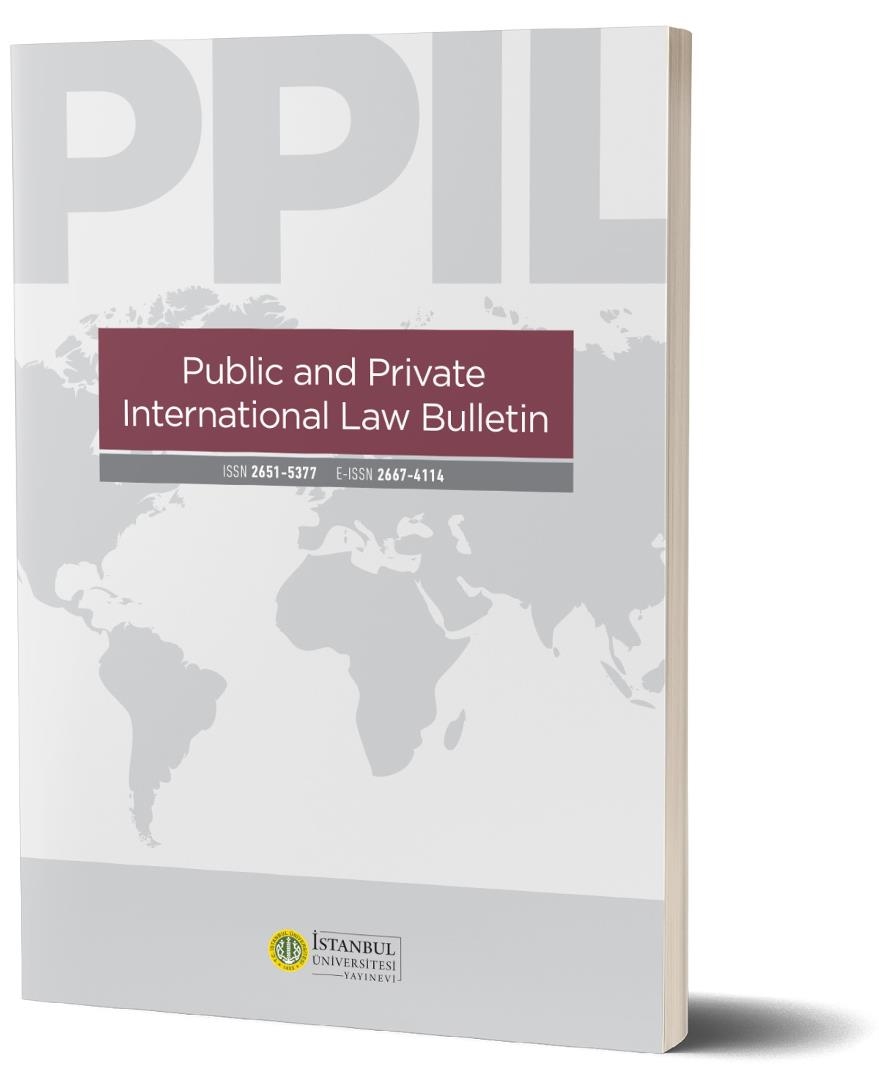
The journals in which selected papers may be published are listed below:
| 
| 
| 
| 
|
Indexes | Indexes | Indexes | Indexes | Indexes |
ESCI TRDizin | ESCI TRDizin | ESCI TRDizin | Scopus ESCI TRDizin | ESCI TRDizin |
Any question about conference publication options , please contact us at icrp@istanbul.edu.tr
Start of Extended Abstract Submission
| 25 September 2025
|
| Deadline for Extended Abstract Submission | 12 February 2026
|
Announcement of Accepted Papers
| 5 March 2026
|
Deadline for Full Paper Submission
| 12 April 2026
|
Announcement of the Conference Program
| 27 April 2026
|
Conference Dates
| 7-8-9 March 2026
|
For inquiries, please contact the conference secretariat at icrp@istanbul.edu.tr
The overall theme has been set as the Middle East. All submitted papers must align with this theme.
Sub-themes:
Comparative Politics
State–society relations and models of governance
Constitutional and legal developments
Demographic trends and security
New technologies (artificial intelligence, surveillance systems) and security
Identity and sectarian politics
International Politics
Regional power competition and alliances (Iran, Turkey, Saudi Arabia, Israel, Egypt, etc.)
Great power policies in the Middle East (United States, Russia, China, European Union)
Migration and asylum issues
Transformation of terrorism and radicalism in its international dimension
International Political Economy
Economic challenges and regional development
The future of oil and natural gas: transition to the post-hydrocarbon era
Energy corridors, pipelines, and transit conflicts
Water resources and climate security: the Nile, Euphrates–Tigris, and Jordan River disputes
Conflict Resolution
Regional conflicts and prospects for resolution (Syria, Yemen, Libya, Israel–Palestine)
Peacebuilding and diplomacy in the Middle East
Public diplomacy
Mediation, quiet diplomacy, Track II diplomacy, and smart power
New forms of diplomacy and the role of technology
Cultural Studies
Middle Eastern cinema
Literature
Cultural production
Historical Studies of the Middle East
Ancient civilizations
Islamic history
The modern Middle East
Migration
Forced Migration Movements and Their Causes in the Middle East
Life in Refugee Camps: Challenges in Health, Education, and Security
The Syrian Civil War and the Regional Impacts of Mass Migration and Return
Climate Change and the Dynamics of Ecological Migration
International Migration Regimes and Implementation Challenges in the Middle East
Human Rights
Raising Humanitarian Standards
Protection of Children, the Elderly, and Women in Conflict Zones
Public Security and Principles of Intervention
Social Diversity, Pluralism, and Freedom of Expression
Supporting and Safeguarding Civil Life
Women’s Studies
Access to Education and Literacy for Women in the Middle East
Women’s Political Participation and Representation
Women’s Rights Activism and Civil Society Organizations
Women’s Participation in the Workforce and Economic Independence
Gender Roles and Domestic Violence
International Organizations
The United Nations and Regional Conflicts
Humanitarian Aid Activities
The Political and Economic Impact of International Organizations
The Role of the Arab League, GCC, and the Organization of Islamic Cooperation
International NGOs and Public Diplomacy
International Law
The Refugee Crisis and International Protection Obligations
State Sovereignty, Occupations, and the Legitimacy of International Intervention
Transboundary Resource Disputes (Water and Maritime Law)
Counter-Terrorism, Human Rights, and the Law of Armed Conflict
Legal Regulations on Climate Change and Environmental Protection